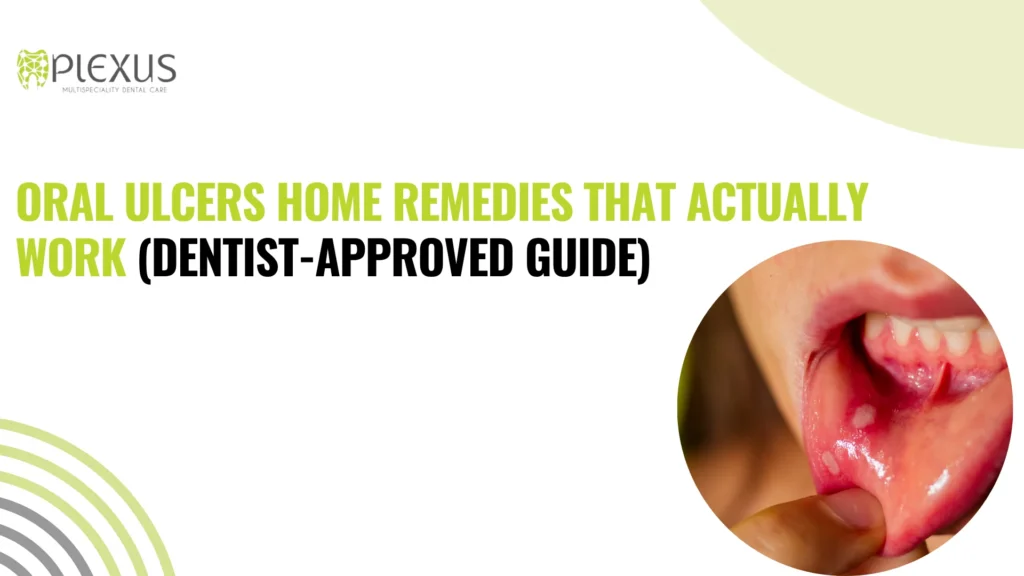
Mouth ulcers commonly known as canker sores are painful sores in the mouth . These small ulcers can cause significant discomfort , making everyday activities like eating , drinking and speaking challenging.
Most people know the frustration of these painful spots that show up on their tongue cheeks gums or lips.
Mouth ulcers have several triggers and stress plays a major role along with other factors. If you’re unsure whether your sore is a minor canker sore or another type of oral lesion, it’s helpful to understand the different types of mouth ulcers before starting treatment.
These ulcers generally heal in one or two weeks but the first few days cause intense pain which leads to looking for quick reliefs.
Table of Contents
Types Of Mouth Ulcers
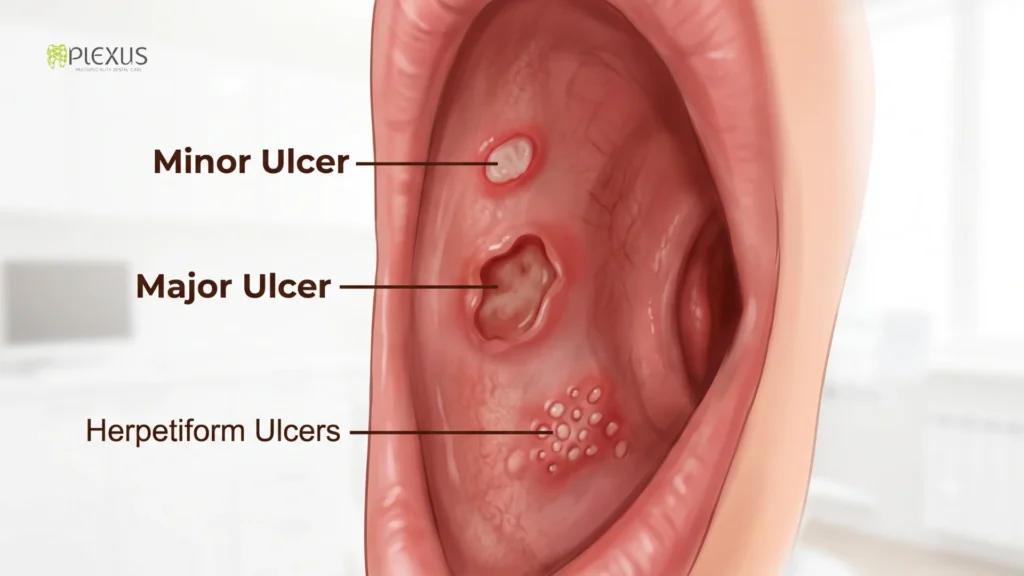
They are classified into different types based on their size, appearance and underlying cause. Identifying the type can help to know the best approach for its management
- Minor ulcers – most common type , small round or oval with white or yellow center and red border . Heal within 1-2 weeks cause moderate discomfort.
- Major ulcers- bigger and deeper than minor ulcers. they are more painful and may take several weeks to heal.
- Hermetic form ulcers-they appear as cluster of tiny sores which merge together and heals within 1-2 weeks. If you are experiencing persistent or recurrent mouth ulcers, schedule an evaluation with the best dentists in Andheri West to identify and treat the underlying cause.
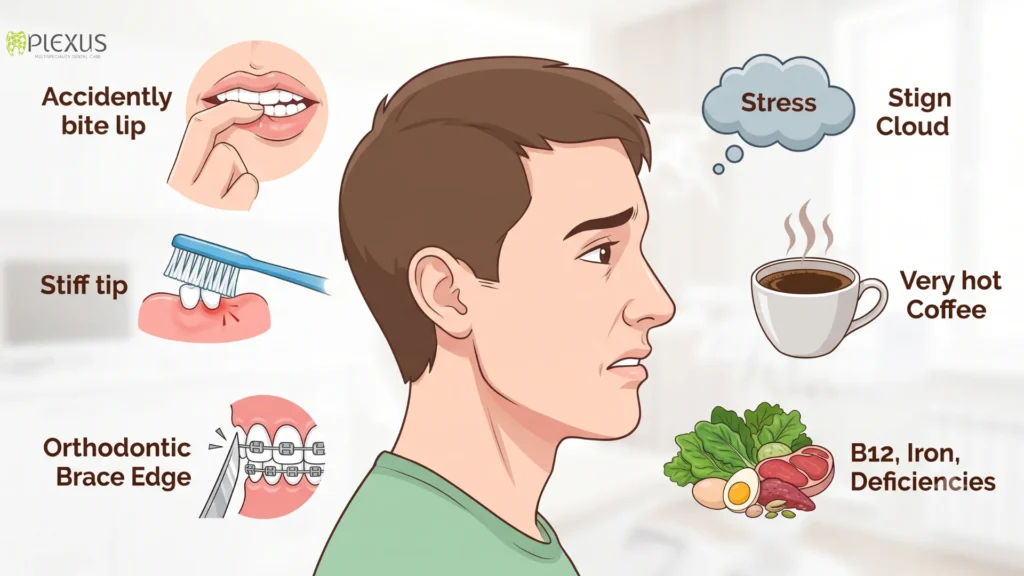
Factors That Can Trigger Mouth Ulcers
- Accidental cheek biting or tooth brush injuries.
- Dental appliances(eg removable dentures) with improper fitting.
- burns due to hot drink or food.
- Stress and emotional factors.
- Nutrient deficiencies ( vitamin b , zinc, iron ).
- Hormonal changes like pregnancy , menopause can increase the likelihood of developing mouth ulcers.
- Medical conditions- autoimmune disorders or weakened immune system can make ulcers more frequent or severe.
Since nutritional deficiencies are one of the leading causes of recurrent mouth ulcers, maintaining adequate levels of essential vitamins and minerals is important for healthy oral tissues.
Recurring mouth ulcers? Book a consultation with our experienced dentists for an accurate diagnosis
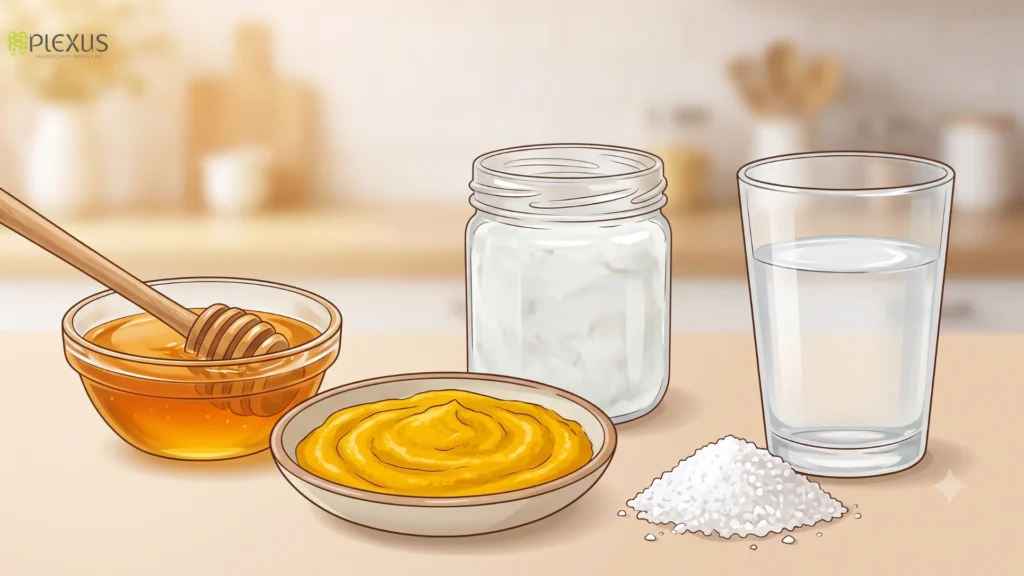
Home Remedies For Mouth Ulcers
Some simple home remedies can help with the discomfort and speed up healing
Salt water rinses
Mix a tablespoon of salt in a glass of lukewarm water. Now gargle thoroughly using this liquid. Once you are done, you can gargle with plain water to remove the salty taste from your mouth. Using this procedure, you can soothe some of the pain and discomfort that you experience during the mouth ulcer4. The antiseptic properties of salt are well known.
Honey
Apply honey to the ulcers and let it remain. Since the ulcers are inside the mouth, you can accidentally ingest the applied honey along with your saliva. However, it is essential that you keep applying honey to the ulcer spots after every few hours. Honey has antimicrobial properties and helps in wound healing
Coconut oil
Dabbing coconut oil onto the ulcer may help due to its antimicrobial and anti-inflammatory effects. It forms a protective barrier over the sore, reducing irritation from food and drinks while also fighting bacteria. , apply coconut oil several times a day, allowing it to sit on the ulcer for a few minutes before swallowing.
Aloevera gel
It is known for its soothing and cooling properties. Applying aloevera to the ulcers can reduce burning and pain and aid in healing as well
Ice Cubes
Holding an ice cube against the ulcer for a short time can numb the area and provide temporary relief from pain, especially for larger or more painful sores. This remedy is especially helpful for ulcers caused by irritation from braces or dentures. Wrapping the ice in a clean cloth before applying it can help prevent direct damage to sensitive tissues.
Turmeric Paste
Turmeric has strong anti-inflammatory and antimicrobial properties. Mixing turmeric powder with water or honey to create a thick paste and applying it to the ulcer can help reduce pain, swelling .. Leaving it on for a few minutes before rinsing it off
Over the counter measures
Using Alcohol free mouthwashes containing Chlorhexidine gluconate will help maintain oral hygiene and help to reduce infection
Topical anaesthetics – numbing gel containing benzocaine or lidocaine will provide rapid temporary pain relief ( eg Mucopain)
FAQs
What are the early signs and symptoms of mouth ulcer?
Tingling or burning sensation in the mouth. Pain or irritation while eating spicy or acidic food followed by the appearance of small sores
Are mouth ulcers serious or life threatening?
Mostly they are harmless and heal within 1-2 weeks. If persistent or recurring then needs a thorough evaluation of the underlying issues
How to prevent mouth ulcers ?
- Avoid cheek and lip biting
- Including foods rich in b12 iron zinc in your diet
- Good sleep
- Using a soft brush to avoid injury
When to see a doctor for mouth ulcer?
If ulcers last more than 2 weeks , are very large or frequently recurring