You wake up, pick up your toothbrush and start your routine. And then suddenly your gums sting. Maybe there’s a little bleed, or they are puffy as you eat your first bite of food. You tell yourself it’s nothing and you go on. But a few days go by and you’re still bothered by it. That’s when you start looking for sore gums home remedies that might actually work.
The thing is, sore gums happens to everyone. Sometimes it’s just from brushing too hard or something stuck between your teeth. Other times, it could be a sign of gum disease, a lack of nutrients, or even an infection. Figuring out what’s behind it really matters and there are numbers that back that up.
Oral disorders are estimated to afflict about 3.7 billion people globally, with severe gum disease among the most common of conditions, according to the World Health Organization. In India specifically, the Indian Dental Association reports that as much as 95% of the population suffers from some sort of gum disease at some time, making “sore gums” one of the most searched, and most under-discussed, dental problems in the country.
In this blog, we’ll go through what causes sore gums, easy ways to treat sore gums at home, what foods can help, signs you shouldn’t ignore, and when it’s time to see a dentist.
Table of Contents
What Are Sore Gums?
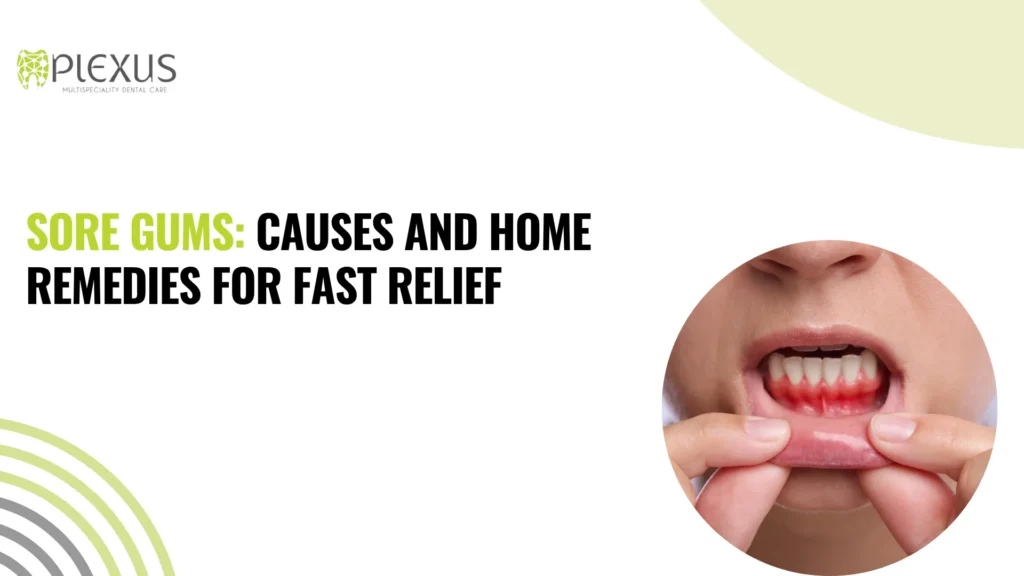
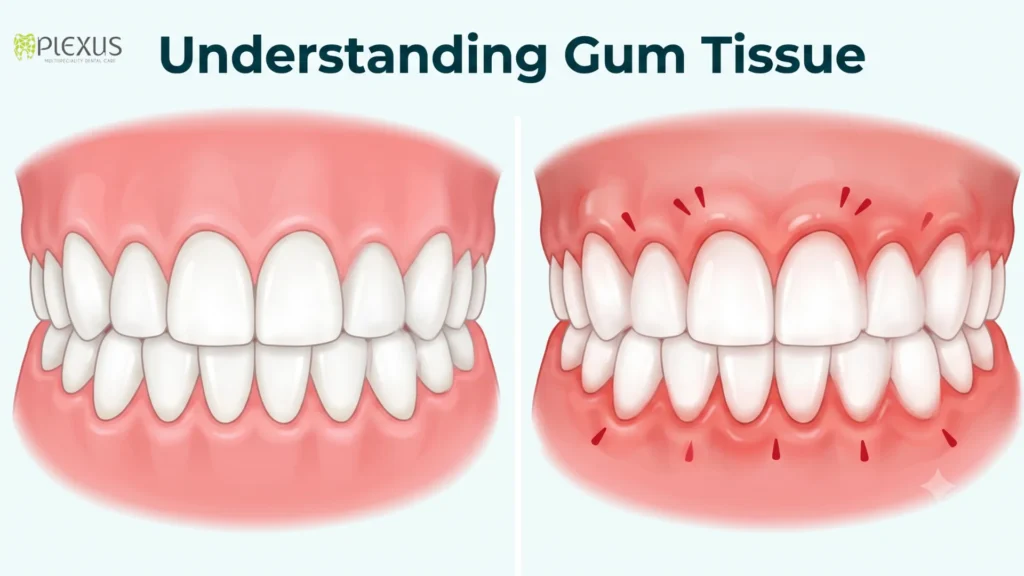
Healthy gums are one of those things we don’t think much about. But when your gums get sore, swollen or tender, it’s your body’s way of notifying you something is wrong.
Sore gums can have diverse appearances. Sometimes it’s simply a little place that hurts when you brush or chew. Other times you have irritated gums for the entire day. For other people it’s a short term thing that settles down within a few days. For some, it can be an early warning indication of something more serious, such as gum disease. Finding the correct painful gum remedy and preventing things from becoming worse is a lot easier when you know the cause.
If sore gums are left untreated, they can progress into more serious conditions like gum disease treatment in Andheri West, making early diagnosis and treatment essential for protecting your oral health.
Quick Cause Checklist: Why Are Your Gums Sore?
Before jumping into sore gums home remedies, let’s see what causes the problem.
Possible Cause | Common Signs |
Brushing too hard | Pain after brushing, tender gums |
Braces or aligners | Soreness where the appliance rubs |
Food stuck between teeth | Pain around one tooth |
Gingivitis | Red, swollen, bleeding gums |
Gum infection | Severe pain, swelling, pus |
Hormonal changes | Tender gums during pregnancy or periods |
Vitamin deficiency and sore gums | Mouth sores, swollen gums, bleeding |
Smoking | Slow healing, irritated gums |
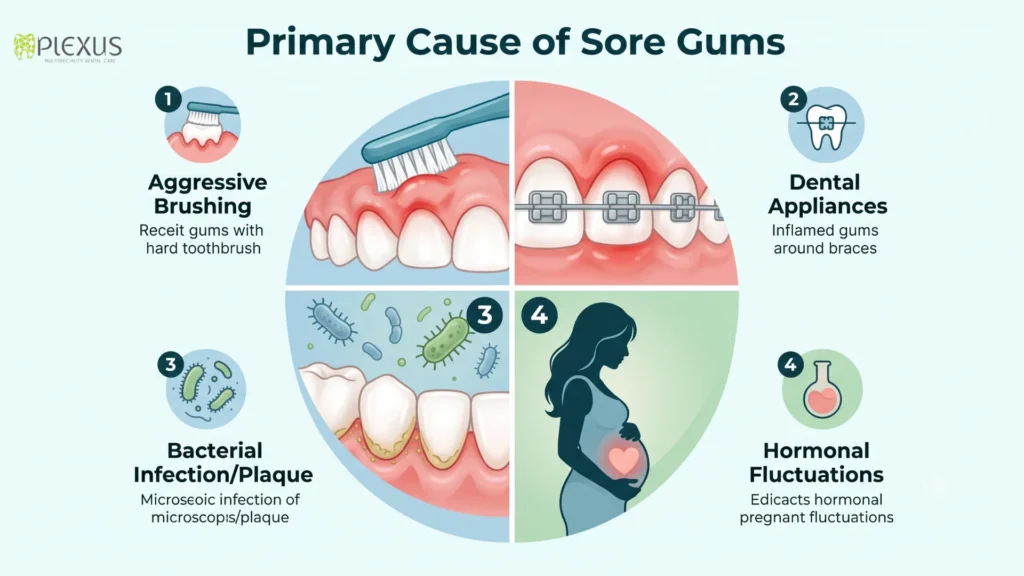
What Causes Sore Gums Around Tooth?
Let’s go through the most common causes so you can get a better picture of what could be going on.
Poor Oral Hygiene and Plaque Build-Up
Throughout the day a sticky layer known as plaque builds up on your teeth. It’s full of microorganisms that eat the bits of food that are left over. If you don’t brush and floss frequently, that plaque starts to build up along your gum line.
Gingivitis (first phase of gum disease)
Gingivitis is the first stage of gum disease. The disease occurs when the plaque persists on the teeth for a long time. The microorganisms present irritate the gum tissue, causing swelling and redness and make the gums bleed easily.
The National Institute of Dental and Craniofacial Research (NIDCR) says that over 42% of American adults aged 30 and older have some form of periodontal disease, and the prevalence is even higher in India, where population-level surveys referenced by the Indian Dental Association list gum disease as the single most common oral health issue in the country.
Periodontitis
If left untreated, gingivitis will advance to periodontitis, a devastating gum disease.
This occurs when infections are deep in the gum tissue, affecting the supporting tissues and bone structure of your teeth. Your gums move away from your teeth and pockets form between your teeth and gums. Consulting the best dentist in Andheri West can help identify the underlying cause early and prevent minor gum problems from developing into more serious oral health conditions. Symptoms are:
- Ongoing gum pain.
- Swollen or receding gums.
- Loose teeth.
- Persistent bad breath.
- Pain when chewing.
Brushing Too Hard
Did you know that brushing too hard might really do damage to your gums?
Many believe that the more they brush, the cleaner their teeth will be, but that is not the case. Too much pressure or using a toothbrush with harsh bristles can damage your gums and may lead to them wearing away over time.
Switching to a soft-bristled brush and using gentle, circular motions is much better for your gums, and just as effective at cleaning your teeth.
Food Stuck Between Teeth
Food can easily get stuck between your teeth or under your gums, things like popcorn kernels, seeds, or small bits of meat. When that happens, it can create pressure and irritation in one specific spot.
Flossing gently is usually enough to remove it. Just avoid using sharp objects like pins or toothpicks.
Mouth Ulcers
Mouth ulcers (also known as canker sores) can pop up on your gums, tongue, or inside your cheeks.
They’re small, but they can hurt a lot, especially if you consume something hot, salty or acidic.
They can be caused by stress, biting your cheek by mistake, braces, specific food items, or even nutritional deficiencies. If this discomfort continues, your dentist may recommend wisdom tooth removal cost in Andheri West as the most effective long-term solution.
Braces, Aligners, and Ill-Fitting Dentures
If you’ve recently started wearing braces or aligners, some gum soreness is completely normal.
These treatments use modest pressure to reposition your teeth. Your gums can feel sore until they adjust .
Dentures can also create complications if they don’t fit well. They could rub your gums, and create sore spots.
Wisdom Teeth
Wisdom teeth are another typical cause of sore gums. They often come out while you are in your late teens or early twenties.
When they start to show they might make the back of your mouth uncomfortable and swollen. If your wisdom teeth don’t come out properly, plaque may build up in the area and cause illness.
Changes in hormones
Many women suffer from swollen and sore gums during pregnancy, their monthly cycle or menopause. Hormonal fluctuations may increase the blood flow to the gums, making them more sensitive and more reactive to plaque.
Expert Insight: Over a decade of practice has shown that patients with sore gums brush less out of fear of pain or bleeding, which allows plaque to build up where the tissue is already inflamed. Dr. Parikh also notices a seasonal rise in Mumbai every monsoon: humidity boosts bacterial development, while reduced immunity and starchier comfort foods turn moderate pain into gingivitis within days. Patients should not stop brushing near a sensitive place, simply brush softer and more accurately, and arrange a dental visit during monsoon season, not wait for symptoms.
What Are The 10 Effective Sore Gums Home Remedies?
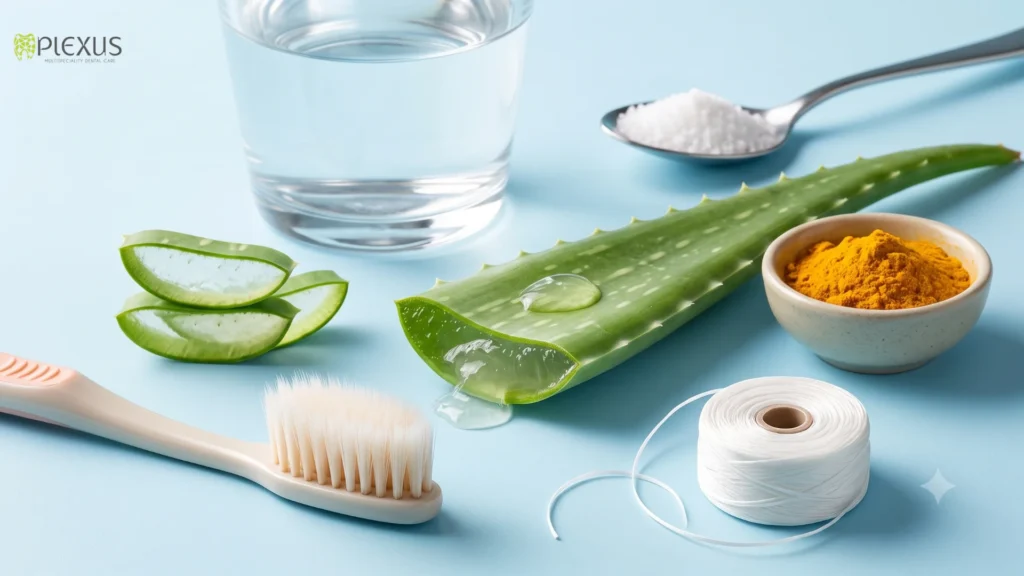
1. Warm Salt Water Rinse
This is one of the simplest things you can do, and it actually works pretty well. A salt water rinse helps clean your mouth and can calm irritated gums.
Just mix about half a teaspoon of salt into a glass of warm water. Swish it around your mouth for 30 seconds, then spit it out. You can do this a couple of times a day.
2. Cold Compress
If your gums are swollen or sore, a cool compress can help.
Wrap some ice (or even a bag of frozen peas) in a towel and apply to your cheek for around 10 to 15 minutes. It helps with swelling and it numbs the region a little bit.
3. Brush Gently with a Soft Toothbrush
When your gums hurt it’s hard to brush but if you don’t things can grow worse.
Keep brushing twice a day but take care. Use a soft bristles toothbrush and moderate circular strokes, not aggressive cleaning.
4. Floss Gently
Flossing removes food and plaque that your toothbrush can’t reach.
If you start flossing and your gums bleed a little, that’s actually very usual, especially if you haven’t been flossing consistently. It normally improves as your gums become healthier.
Just be soft. Gently run the floss along the side of each tooth rather than snapping it into your gums.
5. Use Aloe Vera Gel
If you want to have natural remedies for gum pain, you can apply aloe vera gel at home (without alcohol or extra chemicals). Let it sit a bit, then rinse or eat. It will help soothe your gums.
6. Use Turmeric Paste
Turmeric has natural anti-inflammatory effects, that is why some people take it as a swollen gums remedy. You can mix some turmeric powder with water to produce a paste and then apply it to your gums gently for a few minutes and rinse.
7. Drink Green Tea
Green tea is packed with antioxidants, and it may help support gum health over time.
Having a cup of unsweetened green tea can be a simple way to help your gums while also staying hydrated. Just don’t add sugar to it.
8. Drink water
Saliva helps keep your mouth clean and manage bacteria. When you’re dehydrated, your mouth gets dry and that can make gum problems worse. So if you have sore gums, make sure you drink water regularly throughout the day.
9. Consume Foods Rich in Vitamin C
Your gums require nutrients to heal. Especially vitamin C. If you don’t receive enough of it, your gums can become more sensitive and bleed more easily. Try to include items like oranges, strawberries, kiwi, bell peppers, and broccoli in your diet.
10. Maintain Good Oral Hygiene
At the end of the day, nothing replaces good daily habits.
Brush twice a day, floss once a day and use a gentle mouthwash to help keep germs under control and stop your gums from growing worse.
Expert Insight: We remind our patients that bleeding gums are almost always the first visible sign of gum disease, not a late one, which is exactly why it’s so often dismissed. We also recommend a minimum of two professional dental visits a year, since early-stage gingivitis usually responds well to a simple scaling (cleanup), while advanced, bone-involving stages require more intensive treatment and can’t be fully reversed. If home remedies aren’t easing your soreness within a week, you need to get it checked as early as possible.
The Gum - Body Connection: Why Sore Gums Are More Than a Mouth Problem?
According to NIDCR’s Healthy Mouth, Healthy Body study review, scientists have spent four decades tracking relationships between periodontal disease and illnesses elsewhere in the body, including diabetes, cardiovascular disease, and pregnancy difficulties.
NIDCR-summarized study shows people with diabetes are more susceptible to gum infections, and, in turn, uncontrolled gum disease can make blood sugar control harder, a two-way link researchers refer to as “bidirectional.”
Similarly, bacteria linked to gum disease have been detected in the human placenta, which is one reason pregnant women are advised to keep up dental visits even when nothing feels obviously wrong.
What this means practically: it means if you already have diabetes, a heart condition, or you’re pregnant, don’t dismiss painful or bleeding gums as a minor discomfort. Tell your physician and your dentist about it, as the two are connected.
Sore Gums Home Remedies to Use With Caution
There are a lot of “quick fixes” you will see online, but not all of them are safe or helpful.
Hydrogen Peroxide Rinse
This can help reduce bacteria, but only if it’s properly diluted. Using it too strongly or swallowing it can irritate your mouth.
Baking Soda
Baking soda can help with plaque, but it’s slightly abrasive. Using it too often or scrubbing with it can damage your gums.
Essential Oils
Oils like tea tree or peppermint are sometimes suggested, but they should never be used directly on your gums unless they’re properly diluted in a dental product.
Apple Cider Vinegar
This one gets recommended a lot online, but it’s very acidic. It can actually damage your enamel and irritate your gums, so it’s best to skip it.
Foods That Help Heal Sore Gums
If you’re searching for how to heal sore gums fast, don’t overlook your diet. What you eat really does matter when it comes to gum health.
Food | How It Helps |
Citrus fruits | High in vitamin C, which supports gum repair. |
Leafy greens | Packed with vitamins and antioxidants. |
Yogurt | Helps support healthy bacteria in the mouth. |
Fatty fish | Contains omega-3s that may reduce inflammation. |
Nuts and seeds | Provide minerals that support gum health. |
Water | Keeps your mouth clean and prevents dryness. |

Foods and Habits to Avoid While Trying Sore Gums Home Remedies
While your gums are sore, there are some foods that can make it worse. Try to cut off:
- Sugary snacks and drinks.
- Sticky sweets that cling to teeth.
- Very acidic foods if they cause sensitivity.
- Spicy foods if they irritate your gums.
- Smoking or tobacco use.
- Too much alcohol.
Sore Gums Self-Check: Home Care or Dental Visit?
Here’s a simple way to decide what your gums are telling you:
If your gums… | It’s likely | What to do |
Feel sore only where a brace, aligner, or denture rubs. | Normal appliance adjustment. | Continue care as advised; mention it at your next check-up. |
Bleed a little only when you start flossing again. | Reversible, early gum irritation. | Keep flossing gently daily; it usually improves within 1-2 weeks. |
Are sore around one spot near a tooth. | Trapped food or debris. | Floss gently; watch for improvement within a day. |
Stay red, puffy, or bleed most days for over a week. | Gingivitis. | See a dentist for a professional cleaning. |
See a dentist for a professional cleaning. | Possible infection or periodontitis. | See a dentist urgently, don’t wait. |
When Sore Gums May Signal an Infection?
Most of the time, sore gums are nothing serious. But sometimes they are a sign of something else. Some of the gum infection symptoms are:
- Severe or throbbing pain.
- Swelling that spreads to your face or jaw.
- Pus around the gums.
- Fever.
- A constant bad taste in your mouth.
- Loose teeth.
- Symptoms that don’t improve after a week.
When Should You See a Dentist?
Home remedies can help, but they are no substitute for real dental care.
If your gums stay sore for more than a week, bleed often, or seem to be getting worse, it’s time to see a dentist. The same goes if you notice swelling, pus, or severe pain. If the pain is severe, persistent, or accompanied by swelling, your dentist may evaluate whether root canal treatment cost is a suitable option to save the affected tooth while relieving discomfort.
Checking it early helps stop greater problems down the road. If you don’t know what’s going on, getting in touch with Dr. Esha Parikh at Plexus Dental Studio can help you receive clarity and the correct therapy before things get worse.
Sore Gums Home Remedies: A Final Word from Plexus Dental Studio
Sore gums home remedies can help ease mild discomfort, especially when the cause is something simple like irritation or food stuck between teeth. But if the pain sticks around, your gums bleed often, or swelling doesn’t go down, it’s a sign something more is going on. That’s when it’s better to get things checked instead of guessing. At Plexus Dental Studio, the goal is to help you understand what’s really causing the issue and guide you toward the right care. Taking action on your gums early keeps it healthy and helps you avoid bigger problems later.
Disclaimer: This article is for informational purposes and does not replace personalized advice from a qualified dentist.