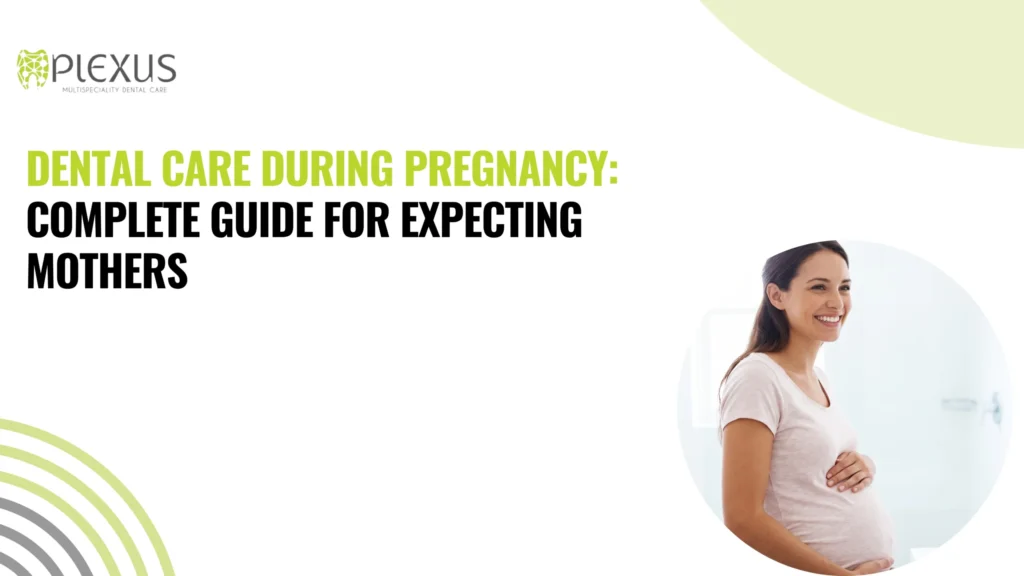
A lot changes in the body during pregnancy and taking care of your oral health is just as important as looking after your overall well-being. Healthy teeth and gums can contribute to a healthier pregnancy and help reduce the risk of dental problems that may affect both you and your baby.
How Does Pregnancy Affect Your Oral Health?
Hormonal changes –You may not realise that the gums respond to progesterone and estrogen during pregnancy, potentially causing unusual issues with your teeth and gums.
Low pH value of the saliva
During pregnancy, the pH value of saliva decreases, making it more acidic. As a result, it can no longer adequately protect the teeth from bacteria.
Table of Contents
Expecting a baby? Don't forget your smile—schedule a dental check-up with Dr. Esha Parikh.
Common Dental Concerns During Pregnancy
Up to 80 per cent of pregnant women suffer from gingivitis or other gum problems. That’s why there’s even a name for it: Pregnancy gingivitis. The typical first sign of gingivitis is bleeding gums. The severity of symptoms varies from woman to woman: some women only experience slight bleeding of the gums on individual teeth, while other women can experience heavy bleeding on all their teeth even if they touch them lightly.
If gingivitis is not treated and the bacteria continue to spread undisturbed, it can develop into periodontitis: The entire periodontium becomes inflamed, the gums and jawbone recede and gum pockets form in which the bacteria can settle. In the advanced stage, the tooth necks are exposed due to the receding gums and the teeth can become loose and, in the worst case, even fall out.
Tooth decay
Several factors contribute to a higher risk of cavities during pregnancy:
- Frequent snacking: Pregnancy cravings often lead to eating more frequently, especially sugary or carbohydrate-rich foods. This provides more fuel for cavity-causing bacteria.
- Morning sickness: Vomiting exposes teeth to stomach acid, which weakens the enamel and makes teeth more vulnerable to decay.
- Dry mouth: Hormonal changes can reduce saliva production in some women. Since saliva helps wash away food particles and neutralise acids, a dry mouth increases the risk of cavities.
- Changes in oral hygiene habits: Nausea or a sensitive gag reflex may make brushing and flossing uncomfortable, allowing plaque to build up.
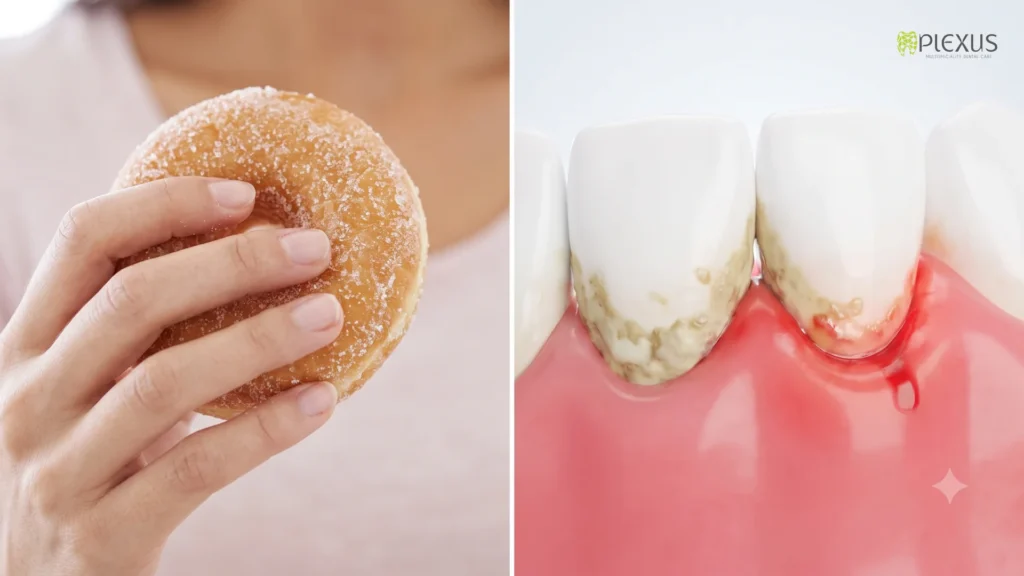
Why Do Dental Infections Flare During Pregnancy?
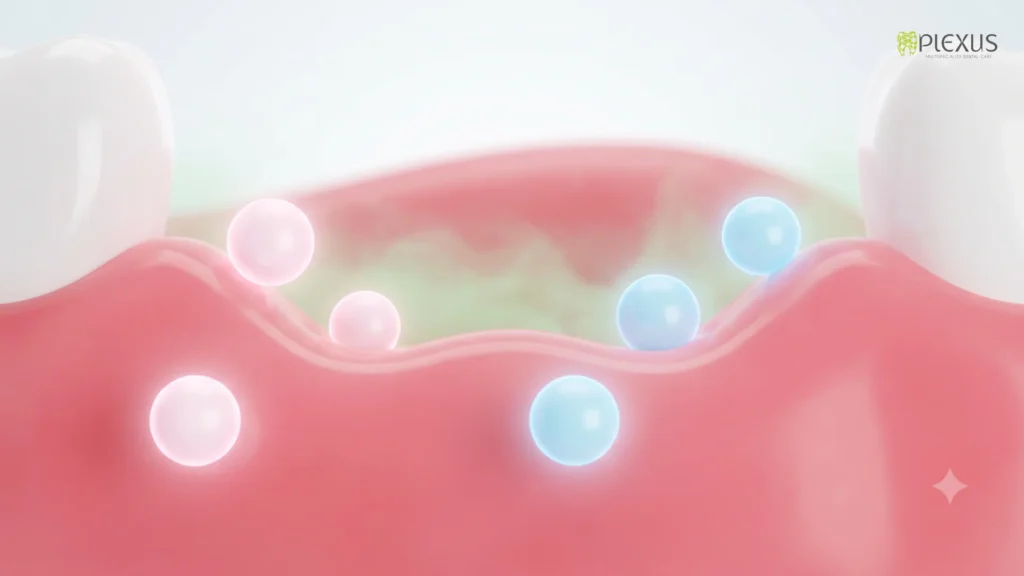
Dental infections flare during pregnancy primarily because hormonal shifts alter your immune response and increase blood flow to the gums. The body naturally suppresses certain immune functions to protect the growing baby, while elevated progesterone and estrogen cause gums to become highly sensitive to plaque and bacterial growth.
This unique combination of a modified immune system and hormonal changes creates an ideal environment for oral bacteria to multiply, leading to flare-ups of pre-existing cavities or gum disease.
Is It Safe to Visit the Dentist During Pregnancy?
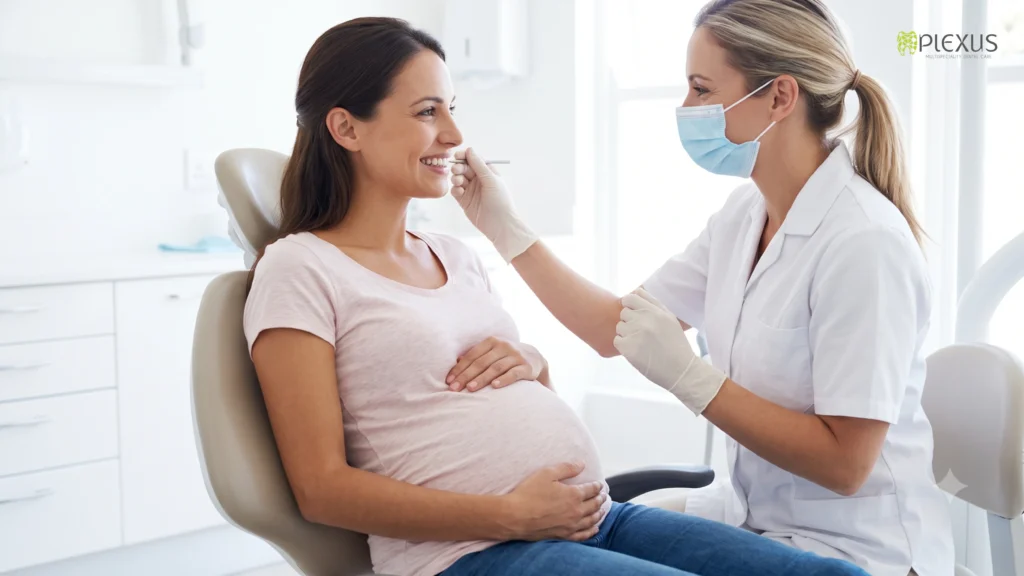
Yes! Ideally, women who are planning to get pregnant should visit the dentist beforehand so that they can get their dental health in order. This way, any necessary treatments can already be completed so that nothing stands in the way of a healthy pregnancy.
- If you are already pregnant, you should see a dentist as soon as possible
- Regular dental check-ups and professional cleanings are safe throughout pregnancy.
Always let your dentist know:
- How many weeks pregnant you are
- Any pregnancy-related complications
- Medications or supplements you are taking
Are Dental X-rays Safe?
Yes, when clinically necessary.
Modern dental X-rays use very low radiation, and According to the latest ADA(American Dental Association) report released February 2024 the use of lead apron and thyroid collar on pregnant patients while conducting x-rays is no longer recommended. Dental X-rays should not be avoided if they are essential for diagnosing or treating a dental problem.
What About Local Anaesthesia?
Many pregnant women worry about dental injections.
The good news is that local anaesthetics commonly used in dentistry are considered safe during pregnancy when administered in appropriate doses. In fact, treating dental pain comfortably is better for both mother and baby than allowing pain or infection to persist.
Dental Medications During Pregnancy
Many expecting mothers worry about taking medications after dental treatment. The reassuring news is that most medications prescribed by your dentist are chosen carefully with the safety of both mother and baby in mind.
Never self-medicate. Taking medicines exactly as directed helps ensure a safe recovery and supports a healthy pregnancy.
Which Trimester Is Best for Dental Treatment?
First Trimester (Weeks 1–12)
- Dental examination and preventive care are encouraged.
- Emergency treatment should not be delayed.
- Elective procedures may be postponed if appropriate.
Second Trimester (Weeks 13–27)
This is generally considered the ideal time for routine dental treatment, including fillings, root canal treatment, and extractions if required.
Third Trimester (Weeks 28–40)
Routine care can continue, although long appointments may become uncomfortable. Emergency treatment should always be provided when needed.
Tips for proper dental care during pregnancy
- Brush your teeth thoroughly twice a day with a soft toothbrush
- Floss daily to remove plaque between the teeth.
- Rinse your mouth with water after episodes of vomiting, and wait about 30 minutes before brushing to avoid damaging softened enamel
- Limit sugary snacks and drinks, and choose healthy options like fruits, vegetables, cheese, and nuts.
- Drink plenty of water to help keep your mouth clean and hydrated.
- Visit your dentist regularly for check-ups and professional cleaning.
Common Myths About Dental Treatment During Pregnancy
- Myth: Pregnancy Weakens Your Teeth
- Fact : Pregnancy itself does not weaken your teeth. However, hormonal changes and increased acidity in the mouth can elevate the risk of dental issues . Maintaining good oral hygiene and regular dental visits can combat these concerns effectively.
- Myth :it’s okay to take over the counter pain killers for toothache
- Fact : please don’t do this without checking first. Always ask your doctor or dentist before taking any medicines
- Myth : you only need dental care if there is pain
- Fact :Prevention is everything. Regular check ups help us catch up problems early . Before they become painful or complicated.
Conclusion
Maintaining oral health during pregnancy is crucial for your overall well-being and your baby’s health. By practicing good oral hygiene, scheduling routine check-ups, and discussing any concerns with your dentist and gynaecologist, you can ensure that your dental care remains safe and effective throughout your pregnancy. Remember that caring for your dental health is essential to nurturing a healthy pregnancy.
Because every healthy pregnancy begins with healthy habits, book your dental check-up with Dr. Esha Parikh.
FAQs
Is it safe to take dental medications during Pregnancy ?
Most medications prescribed by your dentist are chosen carefully with the safety of both mother and baby in mind.
Never self-medicate. Taking medicines exactly as directed helps ensure a safe recovery and supports a healthy pregnancy.
What About Local Anaesthesia?
Many pregnant women worry about dental injections. The good news is that local anaesthetics commonly used in dentistry are considered safe during pregnancy when administered in appropriate doses. In fact, treating dental pain comfortably is better for both mother and baby than allowing pain or infection to persist.
Is It Safe to Visit the Dentist During Pregnancy?
Regular dental check-ups and professional cleanings are safe throughout pregnancy