Did you know that your teeth are the ONLY body part that cannot self-repair? Yes, you read it right. If your teeth have started to decay they will never self heal even if it is as small as a mustard seed.
Dental decay is the most common chronic disease found in both adults and children worldwide. Even though its prevalence is high, dental decay can be prevented easily with daily oral hygiene maintenance.
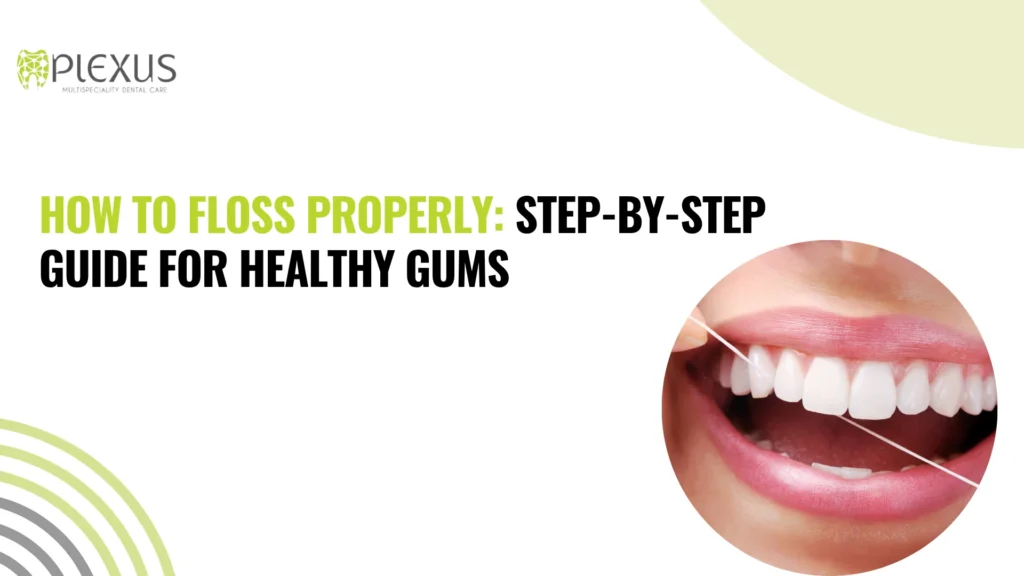
Studies prove that brushing alone cleans about 40% to 60% of teeth surfaces, the remaining 40% to 60% requires a different tool called – Floss. Daily brushing and flossing both are very important for maintaining oral hygiene. Flossing helps to remove plaque and food particles between teeth where brush does not reach. Floss breaks that plaque layer before it calcifies into hard calculus. Understanding common dental care myths vs facts can help you make informed decisions about your oral health.
Evidence based studies proves that flossing reduces gum disease like gingivitis, tooth decay and indirectly reduces risks for systematic health issues.
This blog will brief you about the advantages of using a floss , the correct technique to use it and the various types of interdental aids available.
Table of Contents
Why Brushing Alone Is Not Enough?
Daily brushing and flossing both are very important for maintaining oral hygiene. Flossing helps to remove plaque and food particles between teeth where brush does not reach. Floss breaks that plaque layer before it calcifies into hard calculus. Evidence based studies proves that flossing reduces gum disease like gingivitis, tooth decay and indirectly reduces risks for systematic health issues.This blog will brief you about the advantages of using a floss , the correct technique to use it and the various types of interdental aids available.
Why Healthy Gums Matter for Long-Term Oral Health?
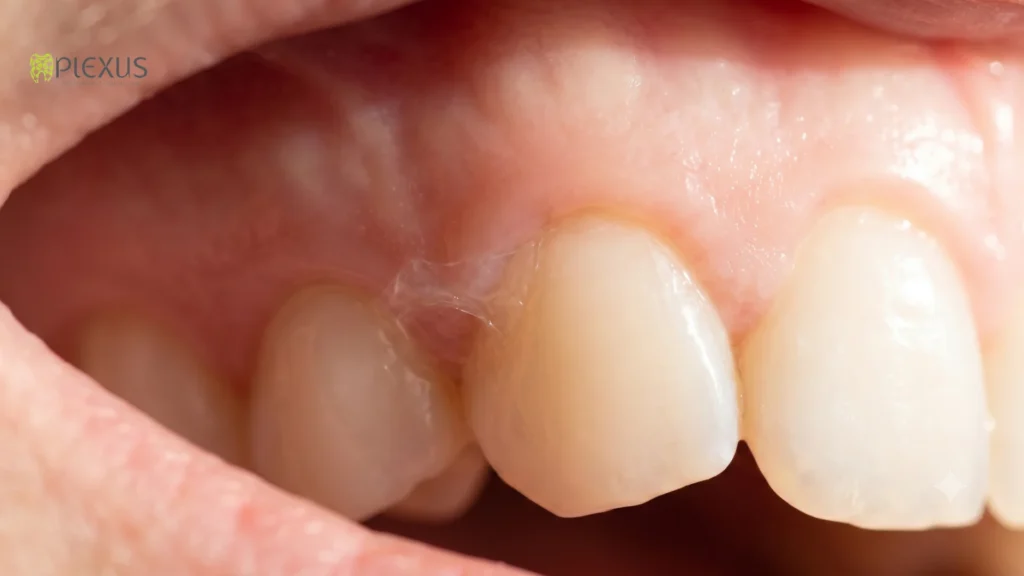
Healthy gums form the foundation of your smile and overall well-being.Dental plaque is a naturally occurring soft biofilm that continuously forms on the tooth surface. This soft biofilm when left undisturbed undergoes mineralization and converts into hard calculus. This calculus forms a substrate for microbial colonization and also acts as a niche that harbours bacterial plaque.These bacteria act as an irritant and cause inflammation of the periodontal tissues.
Once plaque hardens into calculus, it cannot be removed with brushing or flossing alone and usually requires professional cleaning. Learn more about teeth cleaning cost and when a professional dental cleaning may be necessary.
This calculus remains on the teeth surfaces and gums leading to gum diseases and other dental concerns.Healthy gums usually appear pale pink (some people can have brown pigmented gums), firm and snugly surrounding the teeth. They don’t bleed on brushing or flossing.
On the contrary, unhealthy gums appear to be swollen, red with tenderness, bleeding profusely and potentially pulling away from the teeth. Daily brushing and flossing effectively removes the soft plaque before it hardens into hard calculus.
Protect your gums and smile, book your dental appointment today.
Know from the experts
The American Dental Association (ADA) officially recommends that brushing twice a day with a fluoridated toothpaste, cleaning between the teeth with floss or interdental cleaners and regular dental checkups are very essential to protect your oral health and keep your smile strong.Studies have proven that brushing alone cleans about 40% to 60% of teeth surfaces, the remaining 40% to 60% requires a different tool – Floss/Interdental cleaners.
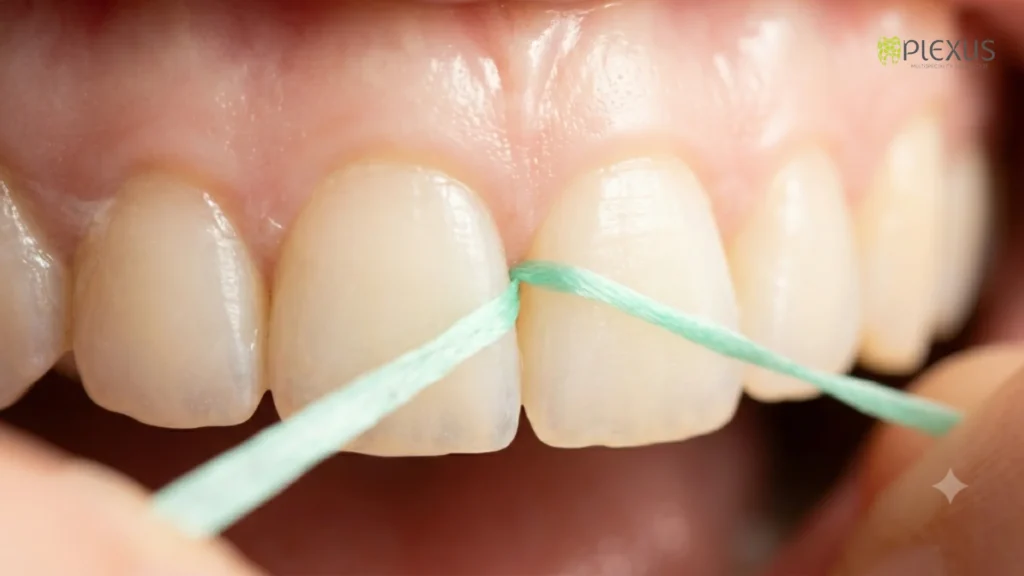
Benefits of Daily Flossing for Healthy Teeth and Gums
1. Prevents Cavities Between Teeth
Your usual brushing cannot effectively clean between the tight contacts of two teeth. The stuck food particles can lead to decay.Flossing gets in between these tight contacts and removes those food particles thus preventing any future decay. Along with regular flossing, including the best foods for healthy teeth in your diet can further support cavity prevention and overall oral health.
2. Reduces the Risk of Gingivitis and Periodontitis
Plaque and calculus harbours microbial colonies. These bacterial colonies lead to gum irritation and inflammation called Gingivitis. If these conditions persist it can lead to periodontitis causing bone loss and loose teeth. Seeking early gum disease treatment can help prevent the progression of gingivitis into advanced periodontal disease. Flossing breaks the soft plaque layer thus inhibiting bacterial colonization and preventing gum inflammation.
3. Supports Better Overall Health
Studies show that periodontitis and oral infections prove to be a high risk causative factor in systemic diseases like endocarditis. Flossing decreases the risk of gingivitis and periodontitis thus improving the overall health.
Common Mistakes to Avoid When Learning How to Floss Properly
- Snapping or sawing the floss harshly into the gums
- Not curving the floss into c -shape around the teeth for effective cleaning
- Skipping the back side of the last molars
- Using the same section of floss for all the teeth leading to plaque redistribution
- Not flossing the initially 2-3mm of gum line because of fear of hurting gums
- Stopping flossing because of bleeding gums
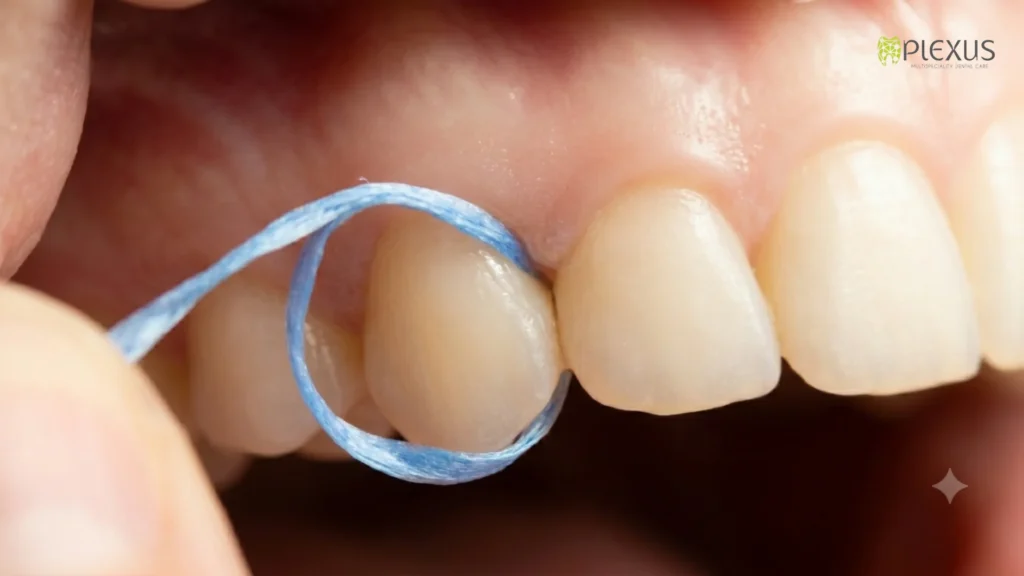
How to Floss Properly: Step-by-Step Instructions
Initial preparation
- Use approximately 18 inches of floss (distance from hand to shoulder)
- Wrap the floss from both ends on the middle finger of both hands until the 1-2 inch section of floss remains unchanged wrapped.
- Hold the wrapped section tightly between thumbs and forefingers
Essential steps to flossing
Step 1: Guide floss gently between teeth
- Insert the floss between two teeth with gentle rubbing motion
- Never snap or pop the floss forcefully into the gums since it can can bruising of gums
Step 2: Curve the floss into C-shape at the gum line
- When floss reaches the gum line, curve it around the base of the tooth
- Create a C-shape against one tooth surface
- Gently slide the floss into the space between gum and teeth
- One can safely floss about 2-3mm into the gums without bruising them.Therefore make sure that the floss cleans this space properly
Step 3: Clean each side of the tooth
- Remember: Each space has two sides between two teeth
- Gently Insert the floss between two teeth
- Rub each side with up and down motion by curving the floss in curved C-shape
- Follow the tooth shape from the base of the tooth to the tip
Step 4: Shift to the next space
- Unwind fresh clean floss from dispenser finger
- Roll up the used floss on the other finger
- Make sure that every new space is cleaned with a clean section of floss to avoid redistribution of plaque bacteria
- Make sure not to forget the back side of the last molars since it collects significant plaque
How to Floss Properly Without Hurting Your Gums?
- Floss at least once daily. Flossing is most effective when combined with proper brushing habits and knowing how often you should change your toothbrush to maintain optimal oral hygiene.
- Best time for flossing would be evening to remove the entire day’s buildup before bed
- Alternatively, flossing in morning will help remove overnight plaque
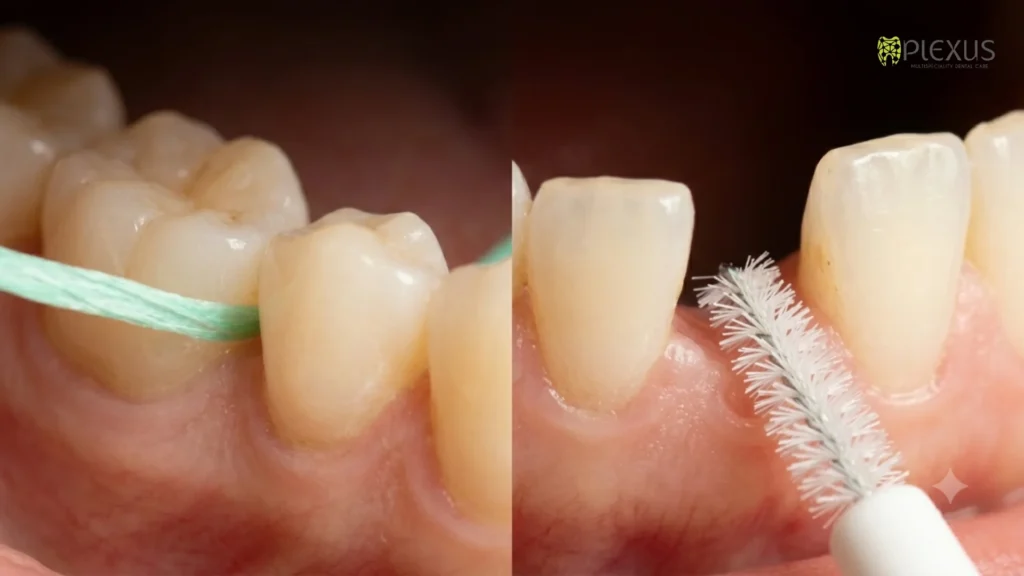
Different Types of Interdental Cleaning Aids
Aid | How it works | Best for |
Dental floss | Thin string slide between teeth | Tight gaps |
Interdental brush | Tiny brush inserted between teeth | Wider gaps,gum pockets, around fillings |
Water flosser | Pressured water stream cleans gaps | Braces,implants,difficulty using floss |
Dental tape | Wider flat floss | Broad contact areas between teeth |
Not sure if you're flossing correctly? Book a consultation today.
FAQs About How to Floss Properly
Can I use mouthwash instead of flossing?
Mouthwash can help reduce bacteria to some extent but the plaque buildup can be removed completely with flossing.
My gums bleed when I floss. Should I stop?
No. Bleeding gums is a sign of gum inflammation or infection. Consult your dentist if a professional cleanup is required.You can continue flossing gently.
Is flossing necessary in tight contacts?
Yes. Teeth with tight contacts are a high risk area for cavities.Cleaning these tight contact areas is very important to prevent tooth decays