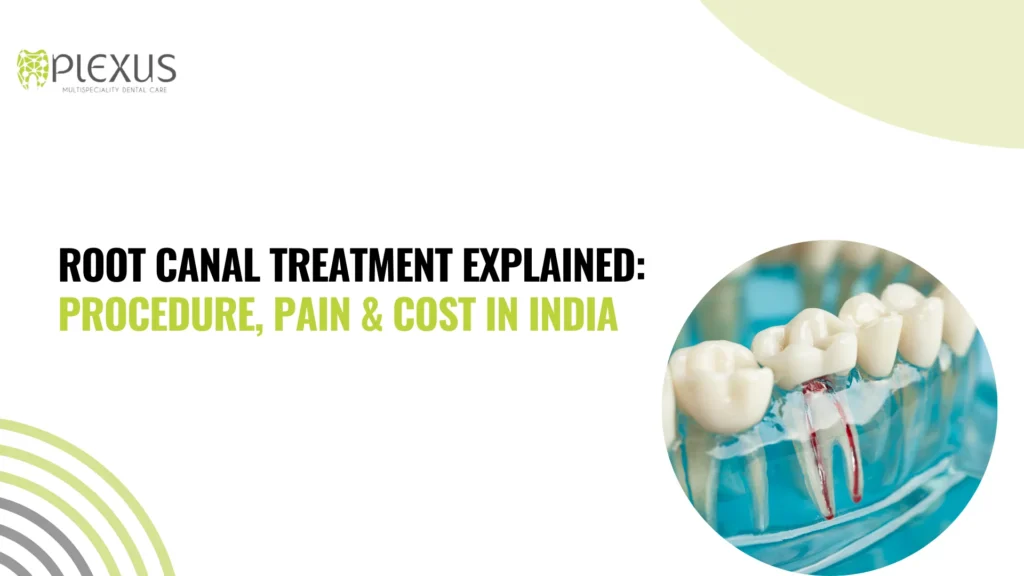
A root canal is a process where a painful tooth is treated to relieve the pain and save the tooth from removal. If you are looking for root canal treatment in Andheri West, understanding the procedure can help you feel more confident about the treatment. In earlier times, the only treatment for a painful tooth was to take it out-that too without anaesthesia! However, with the invention of anaesthesia, and modern methods we are now in the age of treating the tooth and saving the natural as much as possible!
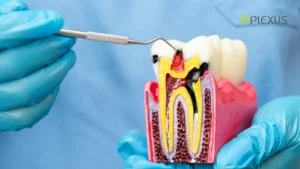
Every tooth has 2 important structures – the outer hard shells and inner pulp -” nerve of the tooth”. When a tooth becomes painful, it is most likely this nerve inside the tooth which is damaged and needs to be taken out. If you’re experiencing persistent tooth pain or sensitivity, consulting an experienced Dental Clinic Andheri West at the earliest can help diagnose the issue accurately and save your natural tooth with timely treatment.
Reasons for tooth nerve damage :
Cavities surpassing the outer shell and reaching the inner pulp
Infection in the pulp or around the tooth
Gum infection or trauma on the tooth. Sometimes, gum problems coexist with tooth infections. For advanced gum care, learn more about minimally invasive Laser Gum Treatment in Andheri West.
The most common symptoms of tooth nerve damage are:
- Pain in the tooth
- Sensitivity on biting / eating cold or hot foods.
- Tooth which feels slightly loose and tender
- Radiating pain to the surrounding areas – head, neck, opposing jaw, surrounding teeth.
- Swelling around the tooth or obvious swelling seen on the face.
Long-standing infections inside the tooth can cause discoloration or darkening. If you’re also concerned about yellow or stained teeth, you may want to explore yellow teeth causes and solutions
How Do I Know If I Really Need a Root Canal?
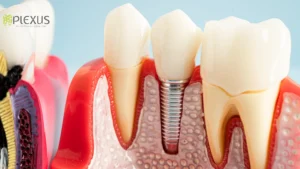
If you are unsure whether you need a root canal, visiting a clinic that offers expert root canal treatment in Andheri West can help you get a clear diagnosis. Tooth pain involving the nerve most commonly arises while lying down or sleeping. This is a clear sign that you need to seek your dentist for a root canal.
When you visit us at Plexus Dental Studio, we make sure to do a thorough examination of your teeth, understanding the cause of your pain. We always take x-rays to check the extent of your tooth decay. When nerve damage is present, it is most commonly detected on an x-ray and can be identified by your dentist.
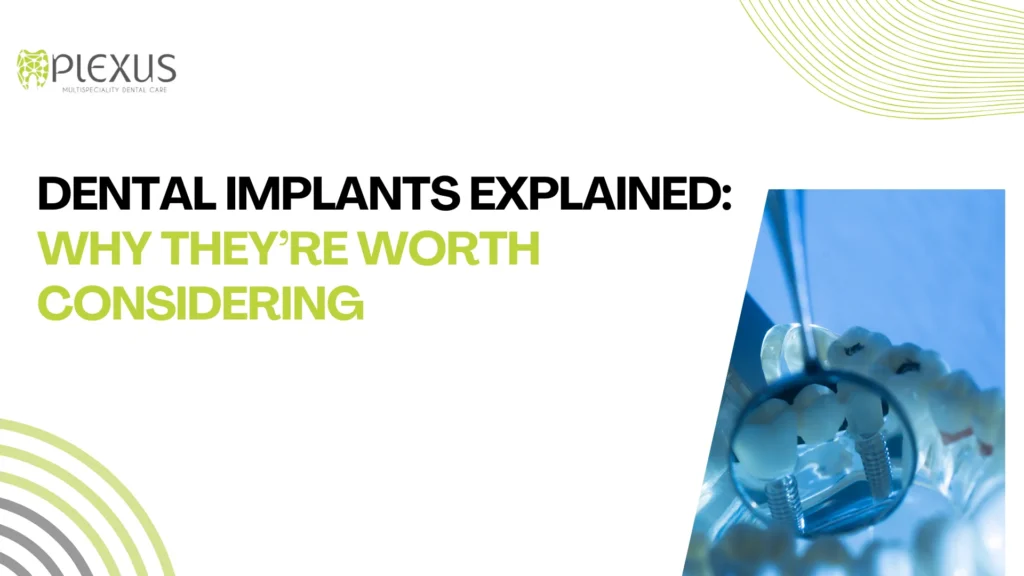
However, you need to be aware that not every pain in your tooth means a root canal. We make sure to understand the extent of tooth decay, and always aim for a conservative approach- doing only what’s necessary to relieve your pain and symptoms. In severe cases where the tooth cannot be saved with a root canal, removal may be necessary. In such situations, replacing the missing tooth with a long-lasting option like a dental implant may be ideal. Learn more about this in our guide on Dental Implants Explained.
What Happens If You Delay a Root Canal Treatment?
Delaying root canal treatment in Andheri West can increase complications, treatment time, and overall cost. What starts as a localized tooth infection can gradually worsen if left untreated.
Infection will start spreading beyond the tooth. As a damaged tooth nerve allows bacteria to travel deep into the bone, it will result in the swelling.
There will be a risk of tooth loss, a timely root canal treatment will save the tooth.
- Dental infections can affect overall health, especially in patients with diabetes, heart conditions, or weakened immunity.
- If the treatment is delayed it might cause further infection and require multiple sittings, retreatment, or even surgical procedures, this will increase the overall cost.
Step-by-Step Root Canal Process (Explained)
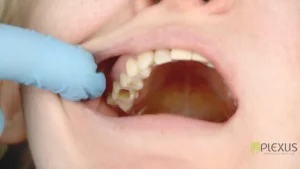 1. Tooth isolation and local anesthesia
The dentist starts by administering a tiny local anesthetic injection near the tooth that is afflicted. This guarantees a painless experience by totally numbing the tooth. A rubber dam, a protective sheet that keeps the area dry, clean, and free of bacteria or saliva, is used to isolate the tooth after it has become numb.
Why it matters: For an accurate and durable result, isolation creates a sterile environment, avoids contamination, and improves the dentist’s visibility.
2. Getting to the Pulp Chamber and Eliminating Decay
A dental drill is used to remove all of the tooth’s decayed areas. The pulp chamber, which contains the blood vessels and nerves, is then accessed by creating a tiny hole on the top of the tooth. This makes it possible for the dentist to get to the dead or infected pulp that has to be cut out.
Why it matters: This is the crucial point of entry to get rid of the infection and release the pressure that is hurting.
3. Carefully Cleaning and Forming the Root Canals
The dentist carefully extracts the dead or infected nerve tissue from the canals using tiny, flexible instruments known as endodontic files. For optimal accuracy and visibility, this step is carried out under high magnification (a microscope or dental loupes). After that, the canals are shaped to provide a smooth surface for appropriate sealing and filling.
Why it matters: Bacteria are eliminated by thorough cleaning and shaping, which lowers the chance of reinfection and guarantees long-term success.
4. Using Medical Irrigants to Clean the Canals
Following mechanical cleaning, antibacterial solutions such as sodium hypochlorite or chlorhexidine are used to flush the canals. Remaining organic debris is dissolved and bacteria are killed by these solutions.
Why it matters: By guaranteeing that the canals are completely sterile prior to sealing, chemical irrigation helps to avoid infection in the future.
5. Using Biocompatible Materials to Fill the Canals
After the canals are dry and clean, they are filled with gutta-percha, a biocompatible, safe, and inert substance that firmly seals the opening. This stops fluids or bacteria from returning to the canals. A temporary or permanent filling is then used to seal the upper opening.
Why it matters: An appropriate seal guards against reinfection and guarantees long-term durability.
Is a Root Canal Painful?
“A root canal is so painful!” This is the most common misconception that we are beating every single day at a Plexus Dental Studio. With modern techniques and anesthesia, root canal treatment in Andheri West is now a comfortable and pain-free experience. Unlike older times, we do not proceed with any dental procedure without anaesthsia. The numbing of your teeth is localized and very safe. This ensures that your procedure is painless and you are comfortable. The anaesthesia is given in a small area around the tooth to be treated and this provides immediate relief. After the root canal procedure is completed, we give you all the necessary instructions on how to make the post-op healing. In some cases, we recommend the use of mild painkillers which help with the post – op healing.
How Long Does a Root Canal Take and What is the Recovery Time?
Single-Visit vs Multiple-Visit Root Canal Treatment
| Single-Visit Root Canal | Multiple-Visit Root Canal |
|---|
| Performed in one appointment | Completed over 2–3 visits |
| Suitable for acute pain | Used for long-standing infections |
| Nerves easy to access & clean | Nerves may be blocked or calcified |
| Minimal spread of infection | Deep infection requiring repeated medication |
| Faster recovery & convenience | More controlled healing between visits |
Adequate intake of essential nutrients such as calcium, vitamin D, and other micronutrients plays an important role in maintaining strong teeth and surrounding structures. You can learn more about how nutrition supports dental health in our detailed guide on vitamins for teeth.
First 48 Hours: What to Honestly Expect?
- Till the permanent crown is fitted, avoid hard foods like nuts, crusty bread, or ice. A split tooth after an RCT is a common but preventable tragedy.
Day 1: Numbness wears off in 2–4 hours; stick to soft, cold foods.
Day 2: Minor tenderness is normal; manageable with standard over-the-counter relievers.
Day 3: You should feel back to normal, but continue chewing on the opposite side until the crown is placed.
What is the Cost of Root Canal Treatment in Andheri West?
 The cost of root canal treatment in Andheri West can vary depending on multiple factors:
- Which tooth it is- front tooth or back tooth
- Whether it is a single sitting or multi sitting root canal
- Whether it is done by a general dentist or by a root canal specialist (endodontist)
The average cost of root canal treatment in Andheri West can range from Rs. 3,000- Rs. 10,000/-
The above factors influence the cost to a great extent. Before proceeding for a root canal, it is advisable to understand the total cost of the entire treatment for that tooth. Since a root canal is not a lone standing treatment and is dependent on following up with a filling and crown, it is important to understand what all the cost mentioned by your dentist covers.
At Plexus Dental Studio, we have root canal starting from Rs. 3000/- onwards (done by our associate dentists) up to Rs. 15,000 (done by our Endodontist and microscope specialist). This difference in price is due to the use of different equipment, and no. of sittings. With the use of a dental microscope, we can achieve the most precise cleaning and predictable outcome. The microscope is of great use in case of treating complicated cases where the nerves might be blocked or in cases of large infections. After a root canal, the tooth becomes weaker and needs protection with a crown. To understand the types of crowns and which one suits you best, visit our page on Dental Crowns and Bridges
| Type of Tooth | Single-Visit RCT | Multiple-Visit RCT | With Crown (Total Cost) |
|---|
| Front Tooth (Incisors/Canines) | ₹3,500 – ₹7,000 | ₹4,500 – ₹8,000 | ₹11,000 – ₹20,000 |
| Premolar | ₹4,500 – ₹8,500 | ₹5,500 – ₹9,000 | ₹13,500 – ₹22,000 |
| Molar (Back Teeth) | ₹6,000 – ₹10,500 | ₹7,000 – ₹12,000 | ₹16,000 – ₹28,000 |
| Re-Root Canal / Retreatment | ₹8,000 – ₹14,000 | ₹9,000 – ₹16,000 | ₹20,000 – ₹35,000 |
| Microscope-Assisted RCT | ₹8,000 – ₹16,000 | ₹9,000 – ₹20,000 | ₹22,000 – ₹38,000 |
| Post & Core (If Required) | — | ₹2,500 – ₹6,000 extra | Added to crown cost |
Is a Crown Necessary After a Root Canal?
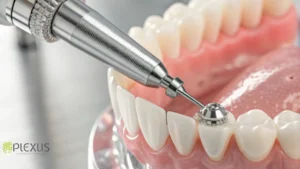 After doing a root canal, the internal strength of the tooth is greatly reduced. This can make the tooth prone to fractures over the long term. That’s why dentists recommend doing a crown over a tooth which has got a root canal- esp. for a back tooth.
In rare cases, we can go without a crown for some front teeth. However, this would be at the discretion of the dentist.
When a crown is not done on a tooth for whatever reason, we have to make sure we do a good permanent filling and keep the tooth under regular observation. Crowns not only restore strength but also prevent fractures over time. Since crown material and type influence overall treatment cost, we have explained the options in detail in our guide on dental crown cost in India.
You can discuss various options for crowns with your dentist- depending on which tooth it is. The most common options for crowns include- Zirconia/full ceramic crowns AND metal+ ceramic crowns. After the root canal and crown placement, many patients also consider aesthetic treatments to enhance their smile. If you’re looking to brighten your smile further, check out our professional Teeth Whitening in Andheri West.
Are There Alternatives to a Root Canal?
Yes, there are alternatives to a root canal treatment:
- Deep cavity filling- in some cases, when there is no pain on the tooth, but there is a large cavity in your tooth, we recommend doing a deep filling and keeping it under observation to see if any pain arises.
- Extraction: this is another, albeit less preferred option for a tooth ache. If you do not wish to save your tooth with a root canal, you can opt for taking the tooth out. However, be aware that losing a natural tooth would involve different consequences.
For long term results, we always recommend a step wise plan:
If there is no pain > opt for Deep cavity filling.
If pain is present > Opt for doing a root canal.
Only in rare cases of pain and the tooth being too broken down to treat- the option would be to remove the tooth. If a root canal is not possible or the tooth is severely damaged, replacing it may be necessary. You can explore removable and fixed options on our detailed guide: Dentures in Andheri West.
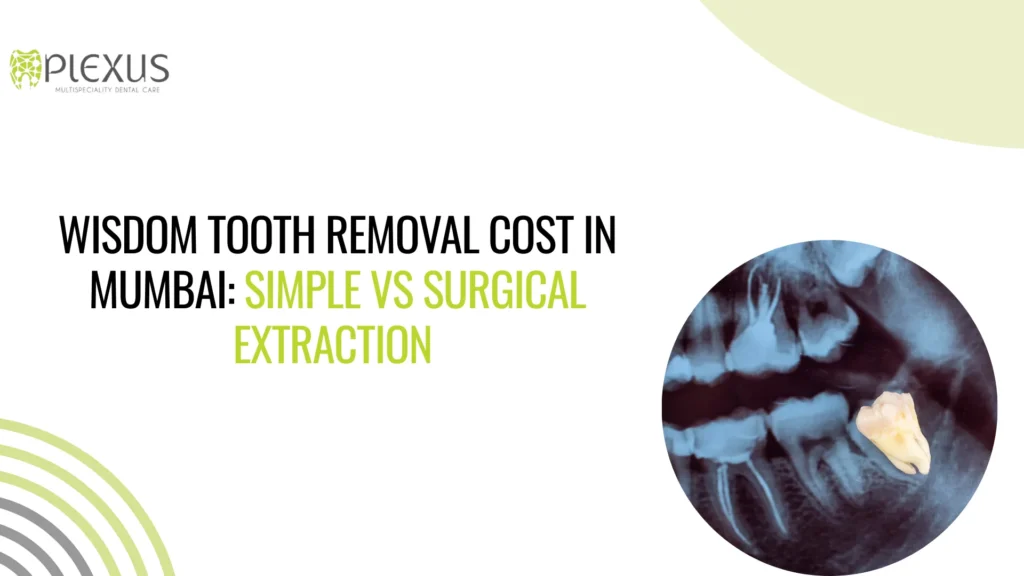
If you are experiencing severe jaw or tooth pain alongside your RCT needs, you may also want to read about Wisdom Tooth Removal in Andheri West.
How Long Does a Root Canal Last?
A root canal treated tooth can last you for up to 20 years or more. The longevity of the root canal depends on factors like
- Presence of a crown on the tooth.
- Your oral hygiene maintenance.
- Regular follow ups with the dentist.
When a root canal is done well and the tooth has a good crown on it, it can last for many years. We recommend doing routine follow ups with x-rays to ensure there is no infection. Make sure to floss and maintain around the crown to improve the life of your tooth. When wisdom teeth are the source of repeated infection or pressure, surgical removal may be recommended as part of the overall treatment plan.
Final Thoughts?
If you are suffering from some pain in your tooth, it is advisable to approach a dentist to understand the reason and get it treated. If you are fearful of your dental visit, rest assured that at Plexus Dental Studio, we make sure that you are painfree, from the moment you enter our clinic.
So don’t hesitate, book your appointment today!



Pingback: Dental Crown Cost in India (2026) | Types, Prices & Procedure
Pingback: Tooth Cavity Filling Cost in India | Types, Procedure & Price
Pingback: Top Vitamins for Strong Teeth & Healthy Gums | Plexus Dental Studio
Pingback: Bleeding Gums Treatment: Causes, Natural Remedies & Dentist Advice
Pingback: Different Types of Braces in Dentistry | Fixed vs Removable Braces
Pingback: Different Types of Braces in Dentistry | Fixed vs Removable Braces
Pingback: Wisdom Tooth Removal Cost in Mumbai – Simple & Surgical Prices
Pingback: Top Vitamins for Strong Teeth & Healthy Gums
Pingback: Tooth Cavity Filling Cost in Andheri West Mumbai | Price Guide