Have you ever noticed bleeding gums while brushing and ignored it, thinking it’s harmless? What most people don’t realize is that bleeding gums are often the very first sign of gum disease, and early gum disease treatment in Andheri West can help prevent it from progressing into a more serious condition.
Gum diseases are extremely common and, when neglected, can seriously impact your overall oral health sometimes even leading to tooth loss. The good news? When detected early, gum disease is preventable and treatable.
In this blog, we’ll help you understand gum disease symptoms, causes, and the best gum disease treatment in Andheri West, so you can take timely action and protect your smile.
If you’re experiencing bleeding gums, bad breath, or loose teeth, a professional gum evaluation at a dental clinic in Andheri West is strongly advised..
What Causes Gum Disease?
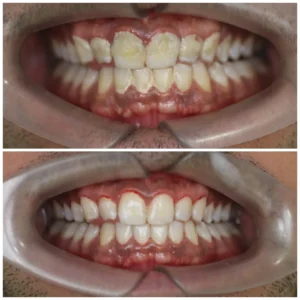 Every day, we use our teeth to chew food. Tiny food particles stick to the tooth surface and form a sticky layer called plaque.
The trouble starts when plaque sits on your teeth for more than about 24 hours. Minerals in your saliva harden it into calculus, or tartar, which is basically plaque that’s set like cement. Once that happens, no amount of brushing will remove it; only a dentist can. And calculus becomes the perfect hiding spot for bacteria that go on to irritate and infect your gums.
Plaque to Calculus: How Gum Disease Begins
Plaque can be removed easily with regular brushing.
If plaque stays on teeth for more than 24 hours due to improper or irregular brushing, it hardens into calculus (tartar).
Minerals from saliva deposit on plaque, causing this hardening.
Calculus cannot be removed with routine brushing and becomes a breeding ground for bacteria.
These bacteria irritate the gums and initiate gum disease. Plaque and surface stains are usually removed during routine dental clean-ups.
From Gingivitis to Periodontitis
Gingivitis: Early-stage gum disease limited to the gums.
Periodontitis: Advanced stage involving gum pockets, bone loss, and tooth mobility.
Early diagnosis is the key to avoiding permanent damage. If you are looking for expert care, visiting a trusted dental clinic Andheri West ensures accurate diagnosis and personalized gum treatment plans.
Catching the problem while it’s still gingivitis is the whole game. According to MouthHealthy, the ADA’s patient education site, chronic periodontitis affects nearly half of American adults over 30, and in India, periodontal disease is reported to affect the large majority of adults, according to the National Oral Health Programme. It’s genuinely one of the most common conditions dentists see, which is exactly why regular check-ups matter more than people give them credit for.
Signs and Symptoms That Indicate You May Need Gum Disease Treatment in Andheri West
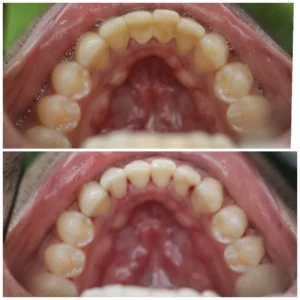 Early-Stage Gum Disease Symptoms (Gingivitis)
Advanced Gum Disease Symptoms (Periodontitis)
Gum recession
Gums pulling away from teeth (loss of attachment)
Teeth appearing longer than usual
New spacing between teeth
Bone loss
Mobile or loose teeth
Tooth loss in severe cases
If you notice any of these symptoms, consult a gum specialist immediately for proper gum disease treatment in Andheri West.
How Is Gum Disease Diagnosed?
A visual check isn’t enough on its own; gum disease is measured. During your evaluation, we typically do three things:
- Periodontal probing: Using a small, calibrated probe, we measure the depth of the pocket between your gum and tooth at several points around each tooth. Healthy gums measure around 1- 3 mm. Anything at 4mm or deeper usually signals active periodontal disease, and the deeper the pocket, the more advanced the condition.
- Digital intraoral X-rays: These let us see below the gumline, where the eye can’t go, to check for bone loss around the tooth roots, one of the clearest markers of how far periodontitis has progressed.
- Bone-level evaluation: Comparing your current bone levels against what’s expected for a healthy mouth helps us grade the severity and plan treatment accordingly, rather than applying a one-size-fits-all approach.
This combination gives us a much more reliable picture than probing alone, which is why a proper periodontal exam usually takes longer than a routine check-up.
Common Causes & Risk Factors for Gum Disease
Poor Oral Hygiene
Improper brushing and flossing allow plaque to accumulate and harden into calculus, leading to gum inflammation. There are many misconceptions around daily dental care routines. Clearing these myths can significantly improve gum health.
Stress
A stressful lifestyle can cause irregular oral care routines, worsening gum health.
Medical Conditions
Smoking & Tobacco Use
Smoking and chewing tobacco significantly impair gum health and increase disease susceptibility.
Medications
Drugs causing dry mouth (xerostomia), such as:
Reduced saliva leads to food retention and plaque buildup.
Poor Nutrition
Vitamin deficiencies especially Vitamin C deficiency can cause bleeding gums (scurvy). Nutrition plays a crucial role in oral health. Certain vitamins directly support healthy gums and teeth.
Dental Factors
These conditions harbor plaque and bacteria.
Gum Disease Doesn't Stay in Your Mouth
Here’s something a lot of people don’t realize: gum disease is a chronic bacterial infection, and infections don’t always stay where they start.
Diabetes: The relationship runs both ways: diabetes raises your risk of gum disease, and gum disease, left untreated, makes blood sugar harder to control. The CDC notes that gum disease is more common in people with diabetes and raises their risk of heart and kidney complications too. Treating the gum infection is genuinely one of the few things that helps both conditions at once.
Heart health and pregnancy: Researchers have also studied ties between gum disease and cardiovascular disease, and between gum disease and pregnancy complications like preterm birth, part of what’s known as the oral-systemic connection, an area NIH’s National Institute of Dental and Craniofacial Research has studied for decades.
If you’re managing diabetes, pregnant, or have a family history of heart disease, mention it at your consultation.
How Gutkha, Mawa, and Paan Affect Gum Health ?
If you’re in Mumbai, there’s a good chance we don’t have to explain this one to you: chewing tobacco, gutkha, and paan are a huge driver of severe gum disease we see locally. This isn’t just clinical experience talking either: a study on smokeless tobacco users in India, published via the U.S. National Institutes of Health, found gutkha use to be a major, independent risk factor for gum damage, with heavier and longer-term use predicting worse outcomes. The World Health Organization also flags smokeless tobacco as a leading cause of periodontal disease and tooth loss worldwide.
Unlike cigarettes, chewing these products causes constant physical irritation and micro-injuries to your gum tissue, along with heavy staining below the gumline. Worse, the chemicals in them constrict blood vessels in your gums, which means the usual warning sign, bleeding, often doesn’t show up even while bone loss is already happening underneath.
If you chew any of these regularly, don’t wait for bleeding to tell you something’s wrong; a deep cleaning and gum evaluation should just be part of your routine.
What Are The Gum Disease Treatment Options in Andheri West?
Gum disease treatment in Andheri West depends on the severity of the gum condition and can be categorized into:
Non-Surgical Gum Treatment
For mild to moderate gum disease:
Scaling and root planing (deep cleaning)
May be done with or without local anesthesia
Helps remove plaque and calculus to restore gum health
Surgical Gum Treatment
For advanced gum disease (periodontitis):
Flap surgery
Gingivectomy
Bone or gum grafts
These procedures help manage deep gum pockets and bone loss. Advanced gum disease may sometimes coexist with impacted or infected wisdom teeth.
Laser Gum Disease Treatment in Andheri West
Quick procedure
Minimal discomfort
No blood loss
Faster healing
Laser gum treatment is an advanced option increasingly preferred by patients in Mumbai.
Gum Disease Treatment in Andheri West (Indicative)
| Gum Treatment Type | What It Includes | Approximate Cost Range (₹) |
|---|
| Scaling & Polishing | Removal of plaque and surface stains | 2,000 – 4,000 |
| Scaling & Root Planing (Deep Cleaning) | Removal of calculus below gum line | 3,000 – 6,000 |
| Periodontal Surgery | Flap surgery, pocket reduction | 8,000 – 20,000 |
| Gingivectomy / Gum Surgery | Removal of diseased gum tissue | 7,000 – 15,000 |
| Laser Gum Treatment | Minimally invasive laser therapy | 10,000 – 30,000 |
| Bone or Gum Grafting | Advanced periodontal regeneration | 15,000 – 40,000 |
Costs may vary depending on severity, number of teeth involved, clinic infrastructure, and technology used for gum disease treatment in Andheri West.
Post-Treatment Care for Gum Disease
Maintain proper oral hygiene with brushing and flossing
Follow professional cleaning schedules
Regular follow-ups every 3–6 months are recommended to monitor healing
Consistent maintenance is essential to prevent recurrence.
If you’re noticing warning signs, understanding your options for gum disease treatment in Andheri West can help you take informed steps toward healthier gums. If you’re noticing warning signs, understanding your options for gum disease treatment Mumbai can help you take informed steps toward healthier gums. For expert evaluation and personalized advice, you can contact us to Book an Appointment and take a step toward a healthier smile.



Pingback: White Patches in Mouth: Causes, Symptoms & Treatment